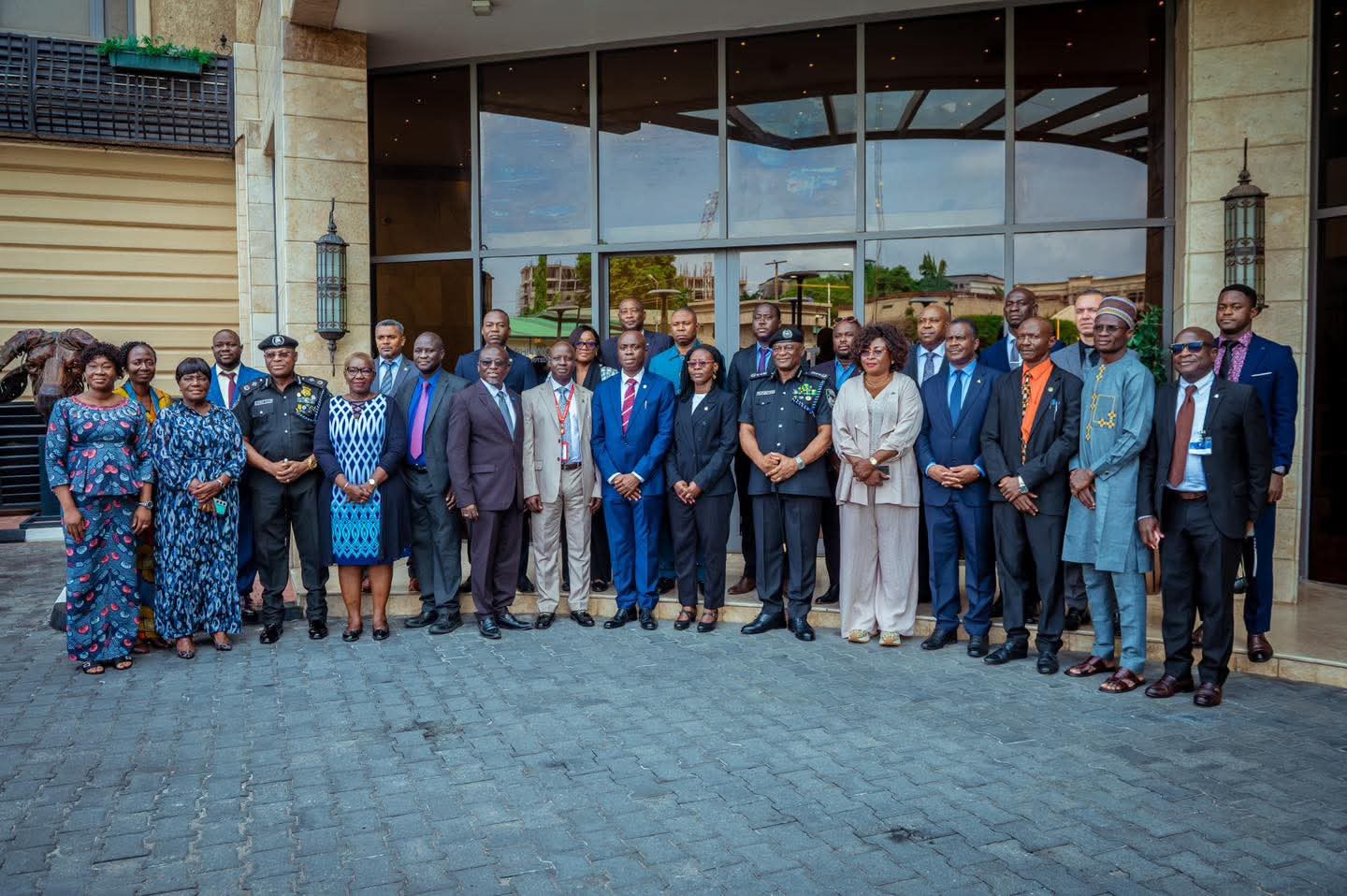
A two-time federal lawmaker in Nigeria Rt. Hon. Sam Onuigbo says, Nigeria has presented itself as one of Africa’s most attractive destinations for climate-related investments, unveiling vast opportunities in renewable energy, carbon markets, sustainable agriculture, green transport and climate-resilient infrastructure at the inaugural Nigeria Climate Investment Summit (NCIS) held in London.
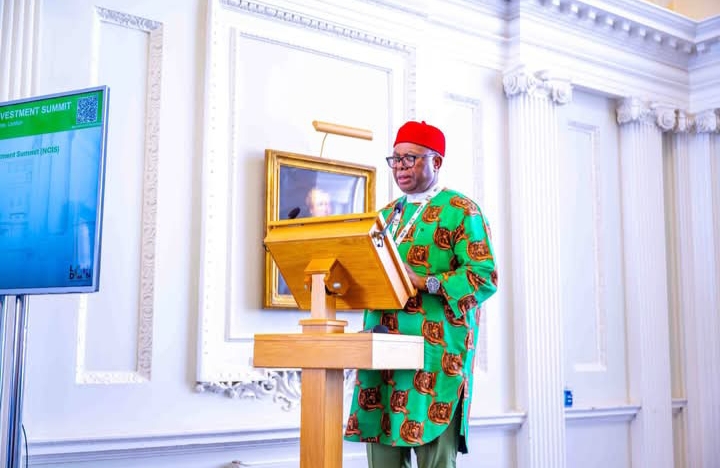
Speaking at the summit during the London Climate Action Week (LCAW), Rt Hon. Onuigbo who is the President of GLOBE Legislators and sponsor of Nigeria’s Climate Change Act 2021, urged international investors to view Nigeria not merely as a market of over 230 million people, but as a strategic gateway to Africa’s 1.3 billion consumers under the African Continental Free Trade Area (AfCFTA).
Hon. Onuigbo who represented the people of Ikwuano, Umuahia North and South Federal Constituency between 2015 and 2023, said Nigeria’s climate transition presents significant investment opportunities across multiple sectors, citing the country’s Nationally Determined Contribution (NDC) 3.0, which outlines a pathway to net-zero emissions by 2060 and requires an estimated investment of nearly $350 billion.
“Climate investments in Nigeria should not be viewed as investments in a 230-million-person market alone, but as investments positioned to access a significant proportion of Africa’s 1.3 billion people, with a potential market of approximately 2.5 billion by 2050,” he said.
Highlighting investor confidence in Nigeria’s green finance market, the ex-federal lawmaker who is now a member of the North East Development Commission, noted that the Federal Government’s 2025 Sovereign Green Bond of N50 billion attracted subscriptions worth N91 billion, exceeding its target by 82 per cent. He also pointed to the Lagos State Green Bond, which was oversubscribed by 97.7 per cent.
He identified energy as one of the most promising sectors for climate investments, noting that more than 90 million Nigerians still lack access to electricity, describing the situation as both a challenge and a major opportunity for renewable energy developers, mini-grid operators and off-grid power providers.
According to him, reforms introduced through the Electricity Act 2023 and subsequent amendments have opened up the sector by allowing states to regulate their own electricity markets, maintaining that fifteen states have already completed the transition to independent regulation of intra-state electricity markets.
“This significant and progressive development now allows for investments in renewable energy, mini and off-grid power projects in underserved and unserved areas,” he said.
Hon. Onuigbo commended President Bola Tinubu for implementing policies aimed at accelerating Nigeria’s green economy, including the removal of fuel subsidies, promotion of compressed natural gas (CNG), support for electric vehicle adoption, development of the National Carbon Market Framework and launch of the National Carbon Registry, while highlighting the operationalisation of the Climate Change Fund, implementation of Nigeria’s Energy Transition Plan (ETP), and development of a Long-Term Low Emissions Development Strategy as evidence of government commitment to climate action.
The Energy Transition Plan alone, he added, projects investment opportunities worth $1.9 trillion by 2060, including $25.8 billion needed to achieve universal electricity access for more than 100 million Nigerians through mini-grid solutions.
The summit also spotlighted emerging opportunities in climate-smart agriculture, clean cooking technologies, sustainable transport, carbon credit generation and environmental remediation.
Speaking further the former lawmaker revealed that between 70 and 75 per cent of Nigerians still rely on unsafe cooking methods, contributing to an estimated 100,000 deaths annually from indoor air pollution and respiratory illnesses.
In the oil-producing Niger Delta, he identified gas flare commercialisation, methane reduction, oil spill remediation, land restoration, water treatment and carbon capture projects as critical areas for private-sector participation.
The GLOBE Legislators President also referenced President Tinubu’s proposed “Nigeria Evergreen City” project in Nasarawa State, which aims to leverage the state’s lithium resources to establish a green industrial hub focused on battery manufacturing, renewable energy technologies and climate adaptation solutions, but lamented that despite Africa’s vast renewable energy potential and abundance of critical minerals needed for the global energy transition, the continent currently attracts only about two per cent of global renewable energy investment.
He said the Nigeria Climate Investment Summit was designed to help reverse this trend by connecting global capital with viable climate investment opportunities in Nigeria and across Africa.
Drawing parallels with Nigeria’s telecommunications revolution, Hon. Onuigbo recalled how many foreign investors initially overlooked opportunities in the sector two decades ago, only for African firms that invested early to become dominant players.
“Today, the same opportunity has presented itself in the green investment corridor. May the mistakes of the past not be repeated,” he said.
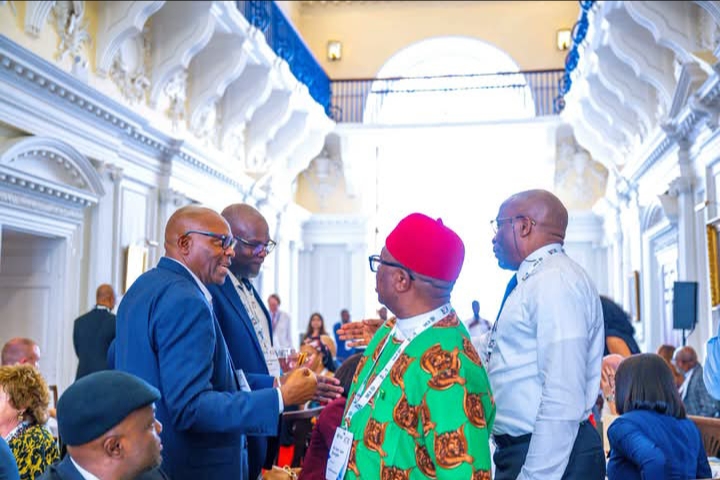
The summit, organised by GLOBE Legislators in partnership with SOStainability, was convened at Mansion House in the City of London with the attraction of policymakers, development partners, investors and climate stakeholders from across the globe.