
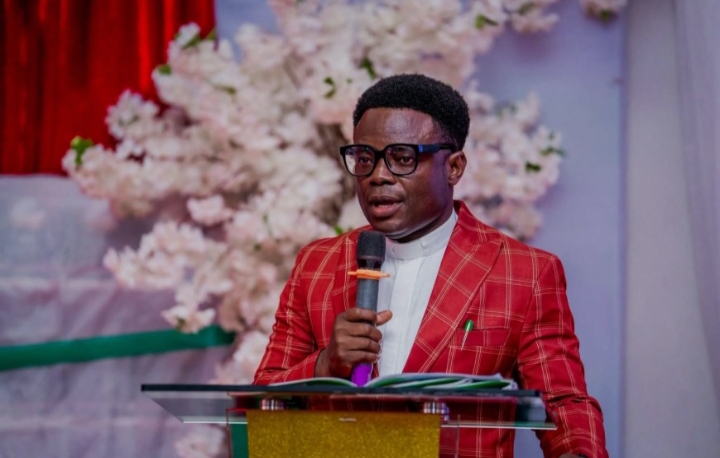
𝐁𝐲 𝐂𝐡𝐫𝐢𝐬𝐭𝐢𝐚𝐧 𝐔𝐜𝐡𝐞 𝐀𝐧𝐨𝐤𝐰𝐮𝐫𝐮, 𝐏𝐡.𝐃
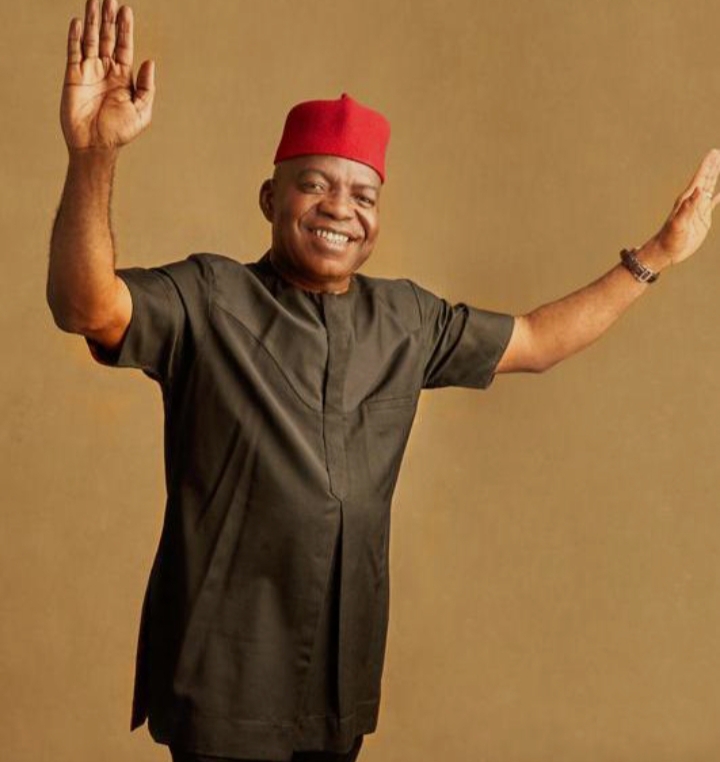
In the heart of Igboland, Dr. Alex C. Otti is quietly engineering a renaissance of remembrance, one boulevard, one lesson, and one solemn gathering at a time.
A road is rarely just a road. When the old Mission Hill artery in Umuahia was widened into Abia State’s first six lane boulevard, the transformation was more than asphalt and engineering. It was a declaration. Stretching across the capital with quiet grandeur, the thoroughfare bears not the name of a transient politician or a patron, but that of Major General Johnson Aguiyi Ironsi, Nigeria’s first military head of state and a son of Igbo soil.
Every commuter who glides along that expanse, every schoolchild who asks why the name sounds like history, every visitor who glimpses the sign, is offered a silent tutorial in a legacy that an earlier generation of leaders allowed to gather dust. Governor Alex C. Otti, the man who willed this boulevard into existence, did something deceptively simple: he placed memory at the centre of the city, making it impossible to ignore.
To understand the depth of that gesture, one must first reckon with what was nearly lost. The Igbo people carry one of the most remarkable civilisational stories in Africa, a narrative woven with extraordinary enterprise, restless intellectual energy, and an ancient democratic tradition that flourished long before such ideals became fashionable in distant capitals. This is a heritage that deserves not merely a footnote in scholarly journals but a living presence in the daily lives of those who inherited it. Yet, for decades, the custodians of governance in the southeast seemed to forget this truth.
Leaders rose and fell without truly honouring the giants who came before them. Institutions crumbled into neglect. Monuments that once stood as testaments to achievement fell into disrepair, and the younger generation began to drift, unmoored from the memory of their own greatness. Abia State, sitting at the very heart of Igboland, ought to have been the sacred keeper of this flame. Instead, it became, for a painful season, a symbol of what can go wrong when governance loses its soul.
Governor Otti’s administration has set out to reverse that decline with a series of deliberate acts that are at once deeply cultural and profoundly practical. The most far reaching of these is the policy making the Igbo language a compulsory subject in all basic and secondary schools across Abia State. This is not a ceremonial nod to heritage, a plaque on a wall or a slogan for a cultural day. It is a policy with real teeth and measurable consequences, woven into the fabric of the education system. Otti has warned, with the clarity of a man who has studied the fate of vanished peoples, that a community which abandons its language is a community in the early stages of extinction. “Our people must know who we are,” he has said, “what we have gone through, and how we have arrived where we are today.” By making Igbo compulsory, he is ensuring that the next generation will not need to rely on distant historians to reconstruct their identity. They will carry the language in their mouths and, through the language, they will carry the memory of their people, its proverbs, its cosmology, its irreplaceable way of seeing the world.
This same philosophy of embedded remembrance guided the naming of that splendid boulevard. The choice of Aguiyi Ironsi was not a random dip into a catalog of notable figures. Ironsi occupies a singular, complicated place in Nigerian history, a soldier who ascended to the highest office in a moment of national crisis, only to be cut down in a counter coup that would alter the nation’s trajectory forever. To name the first modern six lane road in the Abia capital after him is to insist that his story, and by extension the story of the Igbo contribution to the Nigerian project, be centred rather than marginalised. The inauguration was itself a layered tapestry of meaning. Commodore Ebitu Ukiwe (rtd), a former Chief of Staff and a respected voice from the southeast, performed the ceremony, linking the memory of Ironsi to another generation of service and sacrifice. Every detail of that occasion spoke of a leader who understands that governance, at its most elevated, is a form of storytelling.
Just recently, this commitment to memory took on an even more solemn dimension. In Umuahia, Governor Otti organised a significant memorial service marking the sixtieth anniversary of Major General Ironsi’s death. The event was more than a ceremony; it was a powerful call for national unity, reconciliation, and collective remembrance. For Otti, the deep rooted passion for Igbo history and its heroes is never an exercise in narrow ethnic celebration. Honouring a son of the soil who occupied the nation’s highest office becomes, in his hands, a way of promoting the late leader’s own vision of a united country. The memorial, held with dignity and attended by those who still carry the weight of that history, demonstrated how learning from Nigeria’s complex past can be the foundation for a future built on justice, accountability, and a shared sense of belonging. It was a classical illustration of the truth that remembering Igbo heroes is integral to the broader, richer story of a stronger and more cohesive Nigeria.
What is unfolding in Abia State under Alex Otti is not a collection of isolated cultural projects. It is a coherent philosophy of leadership, a recognition that a people without a vivid sense of their journey cannot navigate the future with confidence. Before his arrival, the infrastructure of memory had grown as dilapidated as the physical roads. Now, the roads are being rebuilt, and along their edges, memory is being replanted. The compulsory teaching of Igbo, the naming of monuments after titans, the reverent marking of solemn anniversaries, all these actions converge on a single point. Governor Otti is governing, yes, but he is also preserving, honouring, and building a legacy that will endure for generations to come. He is restoring the soul of a place that should have always been its custodian, and in doing so, he is showing that the truest form of progress walks hand in hand with a grateful and unbroken remembrance of the past.
𝐁𝐲 𝐂𝐡𝐫𝐢𝐬𝐭𝐢𝐚𝐧 𝐔𝐜𝐡𝐞 𝐀𝐧𝐨𝐤𝐰𝐮𝐫𝐮, (𝐏𝐡.𝐃) is an Aide to Abia state Governor


