By Shu’aibu Usman Leman
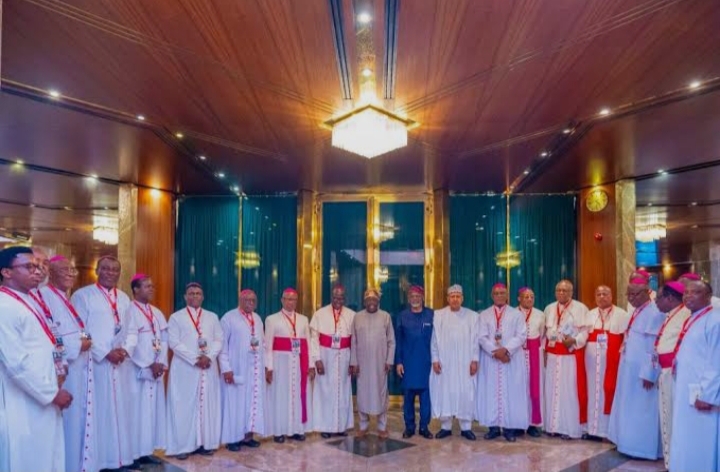
The recent meeting of Northern Governors, Traditional Rulers and Elders to deliberate on the deteriorating security situation across the region was both timely and necessary. Faced with persistent banditry, terrorism, kidnapping and other violent crimes, the governors understandably resolved to strengthen collaboration and reportedly considered setting aside about ₦1 billion each every month to support security operations.
Protecting lives and property is the foremost responsibility of any government, and no reasonable person would object to investing more resources in restoring peace.
However, it is difficult to escape the conclusion that the region is once again concentrating overwhelmingly on managing the consequences of insecurity while paying insufficient attention to the conditions that continue to produce it.
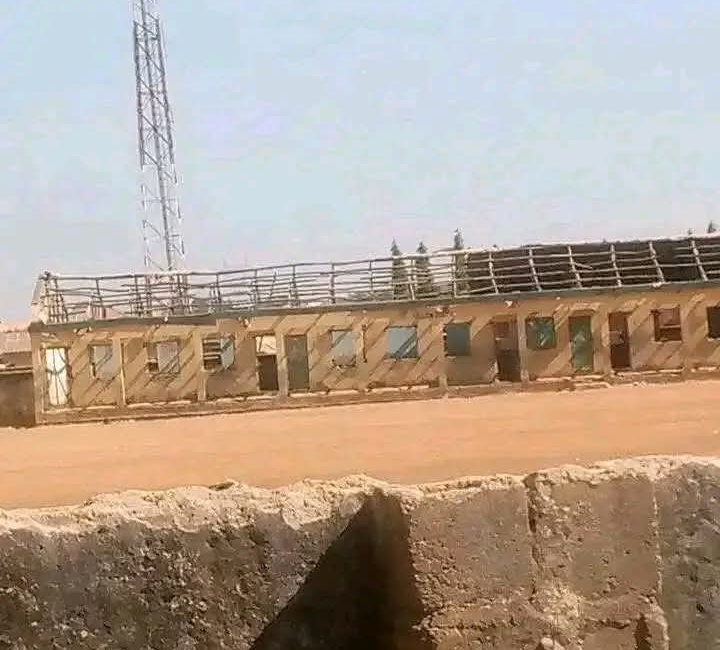
One of the greatest tragedies confronting Northern Nigeria is not merely the proliferation of armed groups; it is the silent crisis of millions of children growing up without access to quality education.
According to UNICEF, Northern Nigeria has one of the highest concentrations of out-of-school children in the world.
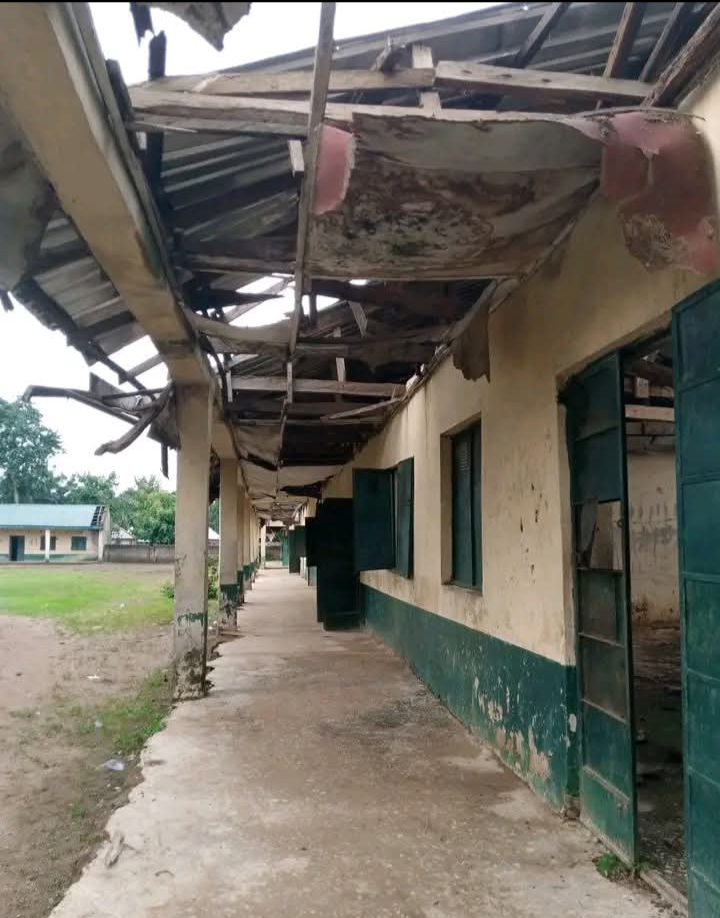
At the same time, many public schools across the region are in an appalling state of disrepair. Classrooms have collapsed or are unfit for learning, basic teaching materials are lacking, and teacher recruitment has stagnated for years despite rising enrolment and population growth.
The result is that thousands of children are denied not only an education but also the structure, discipline, values and opportunities that education provides.
This is where the security debate must fundamentally change. A child who is excluded from school, abandoned to the streets or left without meaningful opportunities does not simply disappear from society.
Such children become easy prey for criminal gangs, drug traffickers, violent extremists and every other group that thrives on despair and hopelessness. It should therefore surprise no one that regions with persistently high levels of educational deprivation also struggle with chronic insecurity.
The connection is neither speculative nor ideological; it is a matter of common sense. Where hope is absent, criminality finds fertile ground.
It is therefore difficult to understand why governments are prepared to commit billions of naira to combating insecurity while failing to demonstrate the same level of urgency in rescuing the education sector.
Security expenditure is undoubtedly necessary, but it can never substitute for investment in human development. Soldiers can dismantle criminal camps, and security agencies can arrest offenders, but neither can replace the preventive role of a functioning education system.
Every school that remains neglected, every vacant teaching post that goes unfilled, and every child who remains outside the classroom represents another opportunity for criminal networks to replenish their ranks.
If Northern Governors can each contribute ₦1 billion every month to confront insecurity, they should be prepared to commit an equivalent amount to rebuilding the region’s education system. Schools should be rehabilitated and properly equipped.
Qualified teachers should be recruited, trained and adequately remunerated. School feeding programmes should be expanded to encourage enrolment and retention, while the Almajiri education system should be comprehensively reformed by integrating Qur’anic education with quality formal education, vocational training and appropriate welfare support.
These are not acts of charity; they are strategic investments in regional stability and national security.
The history of every peaceful and prosperous society demonstrates that lasting security cannot be achieved through force alone.
Law enforcement is indispensable, but it is only one component of a broader strategy. Sustainable peace is secured when governments invest as deliberately in classrooms as they do in security operations, when children are offered opportunities instead of abandonment, and when education is recognised not as a social expenditure but as the most effective long-term security policy available to any government.
Northern Nigeria stands at a defining moment. The region can continue allocating ever-increasing sums to fighting insecurity while allowing the education system to deteriorate, or it can acknowledge that the two issues are inseparable and pursue both with equal determination.
Until governors begin to regard every classroom as a security asset, every qualified teacher as a nation builder and every child in school as one less potential recruit for criminal organisations, the cycle of violence is unlikely to be broken.
The truth is both simple and uncomfortable. Northern Nigeria will not secure its future by investing exclusively in weapons, patrol vehicles and military operations.
It will secure its future by investing with equal resolve in schools, teachers and children. The most enduring weapon against insecurity is not found on the battlefield. It is found in the classroom.
Leman is a former National Secretary of Nigeria Union of Journalists- NUJ