
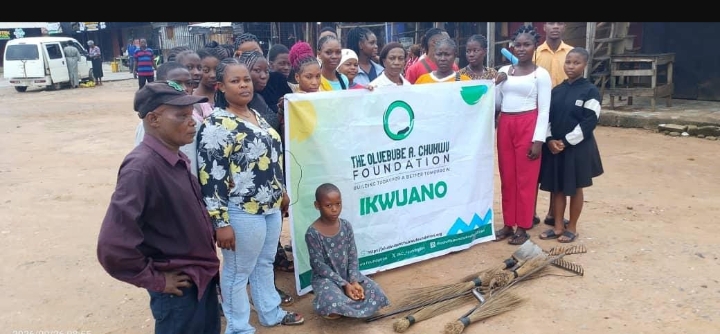
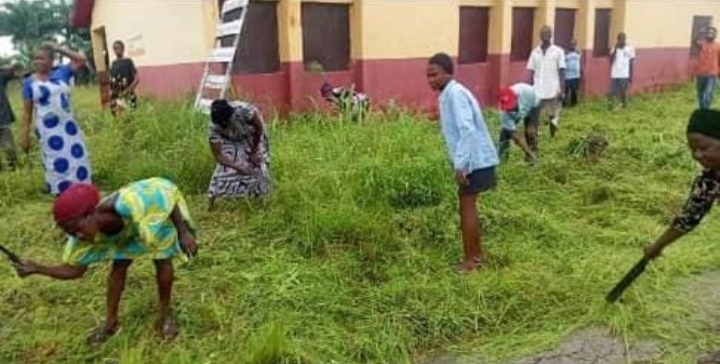
Over 195 volunteers from Six Local Government Areas of Abia State were mobilized for the September edition of the monthly sanitation programme organized by The Oluebube A. Chukwu Foundation (OACF)
The exercise, held across select communities in Bende, Isuikwuato, Umunneochi, Ohafia, Arochukwu and Ikwuano Local Government Areas, is part of the Foundation’s broader community development and public health initiatives aimed at encouraging local participation and improving living conditions.
The 195 participants were coordinated through the Foundation’s existing LGA and ward structures, providing a grassroots network through which OACF can mobilise residents around community-based interventions.
According to the Foundation, the September sanitation exercise provided another example of OACF’s approach of working through community volunteers and local coordinators to implement interventions at grassroots level.
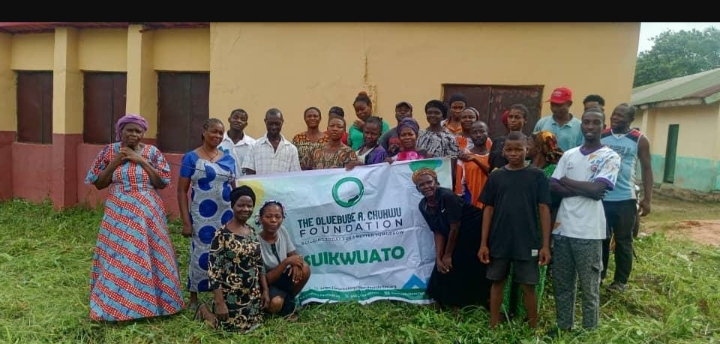
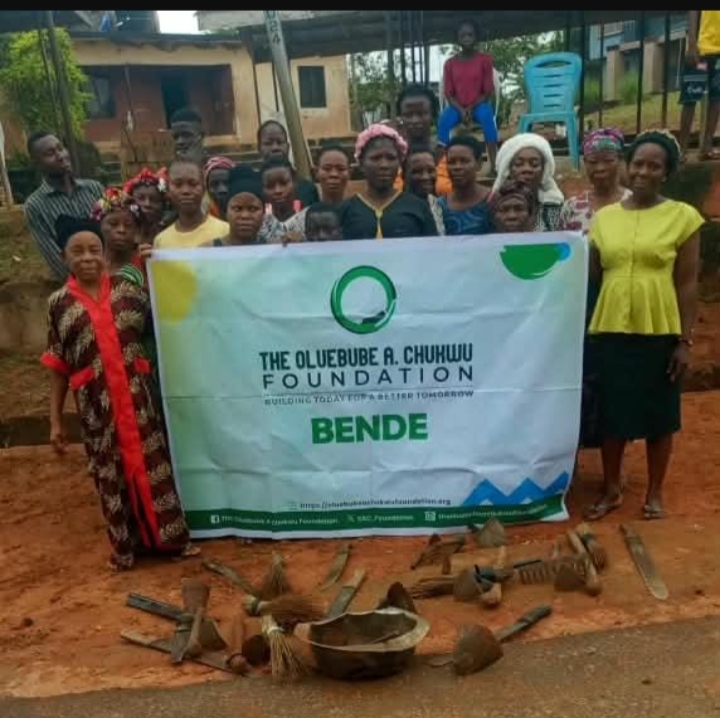
In Bende, 30 volunteers participated in the exercise at Amaeke Isiegbu, Ozuitem Market Square, while Isuikwuato recorded 29 participants at Uturu Primary School in the Mvurunvu/Umumara area.
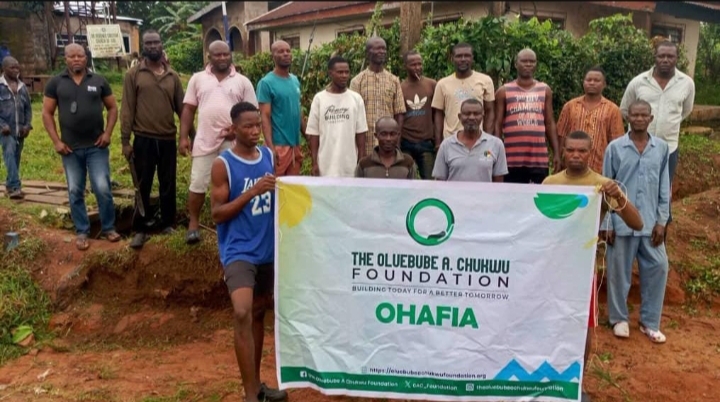
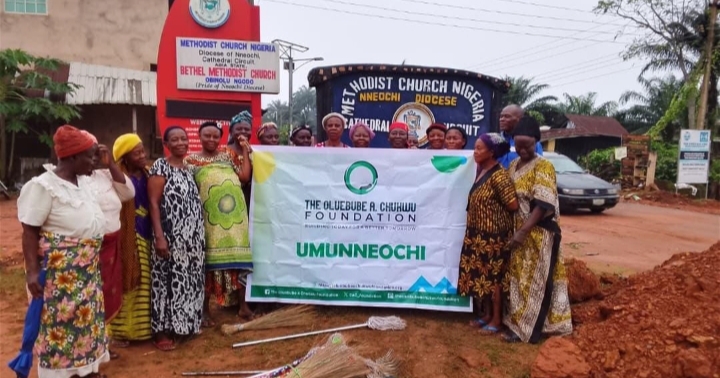
32 participants gathered around Bethel Methodist Church, Obinolu Ngodo Isuochi, Umunneochi LGA for the exercise, while Ohafia recorded the highest participation with 53 volunteers that trouped to the Ihenta Community Water Tank/Hall in Ebemoha Ward.
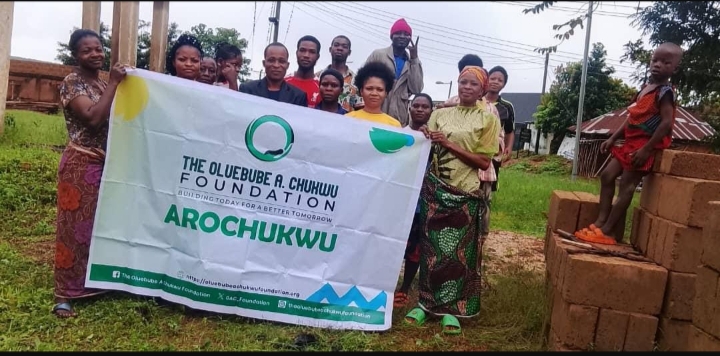
In Ikwuano, 28 volunteers took part in the exercise at School Park, Oboro Ward 1, while Arochukwu recorded 23 participants at the Community Bus Stop in Obieze Isu Autonomous Community.
The sanitation programme also reflects the Foundation’s emphasis on community ownership, with residents and volunteers directly involved in identifying and addressing environmental concerns within their communities.
As the Foundation declared, the September sanitation exercise was therefore not only a cleaning activity but part of a continuing community mobilisation model through which local residents participate directly in initiatives affecting their wellbeing.
Beyond sanitation, OACF’s documented interventions show a wider focus on social and economic development. The Foundation has previously supported students and schools with educational materials, provided business support grants to women, offered family support to indigent people and conducted medical and educational outreach programmes.
In 2025, for instance, the Foundation donated teaching and learning materials to two schools in Amuda Isuochi, Umunneochi Local Government Area, including exercise books, a computer system, televisions and other educational support items.
Its programme records also include scholarship and educational support, business support grants and medical missions, areas that position the organisation within the broader development space covering education, health, livelihoods and community welfare.
Founded in 2023, OACF is a humanitarian and philanthropic organisation established to support individuals and communities, particularly through interventions in education, healthcare, youth and women empowerment, skills development, economic support and community mobilisation.
The Foundation’s stated vision is to serve as a catalyst for positive change by expanding access to opportunities and support for individuals and communities in rural and developing areas. Its programmes have included scholarships, family support, business grants, medical outreaches, educational assistance and community-focused initiatives.
The organisation marked its third anniversary in August 2026, highlighting three years of humanitarian service and community-focused interventions.
With operations now extending across six Local Government Areas, the Foundation’s volunteer structure provides a platform for implementing and monitoring community-level programmes while documenting participation and reach.
The Oluebube A. Chukwu Foundation says its long-term objective is to contribute to healthier, more empowered and self-reliant communities, guided by its motto, “Building Today, For A Better Tomorrow.”
The Foundation continues to welcome collaboration and support for programmes capable of expanding its interventions in education, healthcare, livelihood development, environmental sustainability and community empowerment.


