
By Chijindu C. Ahamefula

While the food sector in the Global North is positively being influenced by technology-driven agriculture that have stabilized food systems and improved efficiency in the countries, some emerging digital applications in African, like the mobile-based advisory system in South Africa and Botswana have demonstrated measurable gains in input and yield efficiency. Amidst the exposure to some of the recent technology in the case of Nigeria, there remain a huge structural constraint; from issues of rural infrastructure, weak and unreliable digital connectivity, low levels of technological literacy, fragmented extension services, access to finance and funding, all of which hinder widespread adoption/application of modern techniques. As a result of the aforementioned, the existing inequalities within a predominantly smallholder and local farming system across different parts of the country continue to widen. In a recent data released by the Center for AI & Digital Policy (CAIPD), where assessment on Nigeria was confirmed to have low capacity and a fragmented landscape.
Key Challenges Facing Nigerian Agriculture
Such issues as climate change and farmer/herder conflicts have continued to significantly threaten farming here in Nigeria. What should be the other way-out for such activities that disrupt faming, undermine food security nationwide, and regularly cause food price hike? Tech-driven innovations must be backed by proactive policy and regulatory frameworks from the government at different levels. Policy Briefs from the African Technology Policy Studies Network continually emphasized the importance of science, technology and innovation as the central pillars for agricultural transformation in Africa and thus, advocates for integrated policy frameworks that connect research, innovations and governance structures to facilitate effective technology transfer and adoption.
The Technology-Agriculture Gap
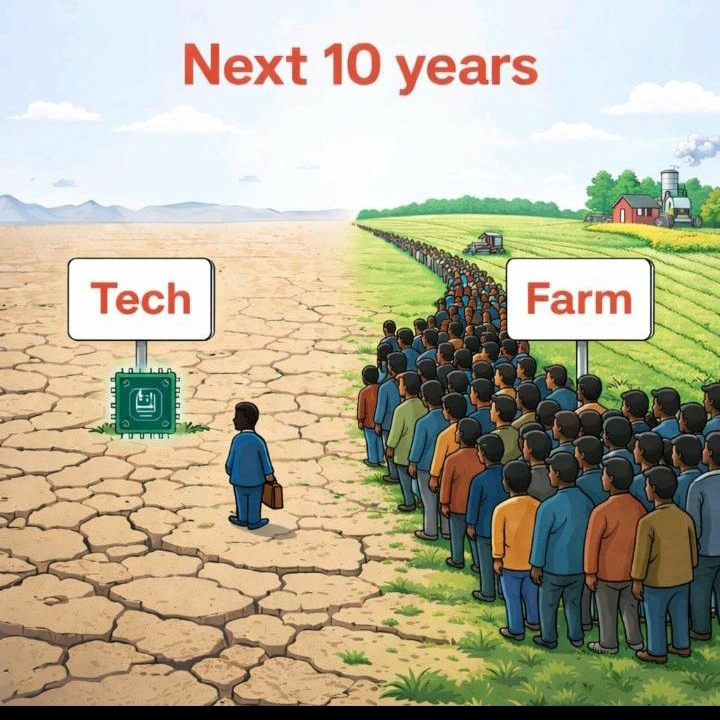
Among researchers, innovators and agricultural sector agents, there is a growing concern on the existing gap between technology and farming, like the artificial intelligence and its adoption and application towards improved agriculture across the African countries in which Nigeria in mostly affected. However, this a good wake-up call that should encourage more collaboration across sectors, especially inclusive policy making and implementation.
Immediate Actions Required
To achieve tangible progress in the short term, the following actions are necessary:
Integrate indigenous methods into everyday farm processes at scale.
Ensure that finance and funding programs are all inclusive and accessible to smallholder farmers
Organize regular training workshops to improve technological literacy and adoption
Move beyond distribution of crop-enhancement products by mobilizing and training extension agents to actively engage farmers for improved outcomes
Ensure that relevant research findings are immediately translated into policy guides to inform decision-making and implementation
In summary, bridging the technology and agriculture gap requires intentional collaboration across tech, policy, and farming ecosystems. There is need for stakeholders to organize better and be more intentional, shift from hype-driven innovation to context-driven, farmer-centered solutions for the youth and women at the grassroot.
Technology should strengthen agriculture, not compete with or detach from it. With the vast and arable land across the nation, Nigeria must sustainably scale production with the required technology and also maintain a stable food ecosystem. Achieving this will depend on inclusive policies, proactive governance, and purposeful collaboration over the next decade.
Chijindu Christian Ahamefula
Management of Technology and Innovation Expert
.


